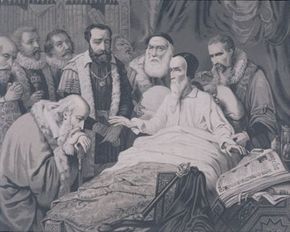
If you've seen a lot of movies, chances are you've watched this scene unfold. A bereft family sits in a dark office while the last will and testament of their deceased, wealthy grandfather is read by a stiff, grim attorney:
"Being of sound mind and body, I, Reginald R. Gotrocks, hereby bequeath my vast fortune and all my earthly possessions to the one person who has been there for me day in and day out, rain or shine ... my mailman Jim."
Advertisement
The family then demands answers and vows to contest the will of the crazy old man. Unfortunately, in real life there wouldn't be much the family could do about it. As long as it's drafted properly, a will is one of the most iron-clad documents in contract law.
Your last will and testament is a very important document that ensures your wishes are carried out after you die. Many people think they need to be old, sick or wealthy to need a will. The truth is, everyone of legal age should have a will. Even if you're young, you probably have possessions that you care about. In the case of accidental or unexpected death, without a will there's no way the courts can know what your intentions were for your possessions -- be it money, land, your computer or your pet cat.
Before getting into the specifics, it's important to know the legal terms you might see in a will. Let's take a look at them:
- Testator - the person whose will it is
- Executor - the person named by the testator to carry out the terms of the will
- Beneficiary - the person or group that receives assets from the deceased
- Probate - the court that proves the validity of the will and oversees the executor
- Bequest - the gift of personal property from the testator to the beneficiary
- Codicil - a written amendment to a will
- Intestate - when a person dies without a will (the opposite of "testate")
- Trust - an entity that holds assets until a later date and allows a beneficiary to bypass probate
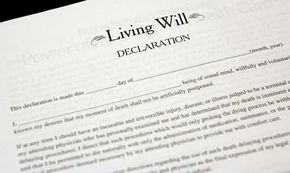
Now that we know some of the main terms that are found in a will, we can get more involved. In this article, we'll learn how to draft, change and challenge a legal will. We'll also explain what a living will is and take a fun look at some very unusual and famous wills.
Advertisement