Perception of Value
Understanding that the value of
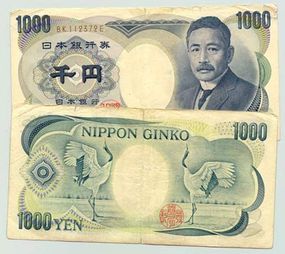
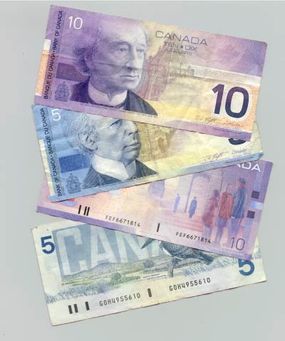
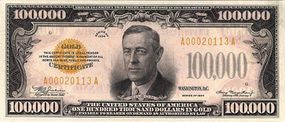
money is based on our perception of its worth is easier if we look at how that perception can alter the specific amount of that value. Let's say that one American dollar is worth 5 French francs. One day, the
U.S. government announces that part of its economic policy will be to allow the value of the U.S dollar to decrease slowly to about 3 francs (the U.S. government might do this to encourage foreign investors, among other reasons). The next day, the value of the dollar would likely drop sharply, which it has in similar situations. Why? The government announcement led people to believe that their dollars would be worth less -- therefore, they were worth less. The same effect can be seen in today's
stock market, which is another currency system. When a company declares that its profits are down, the value of the company's shares can drop within minutes.
|
A Word About Money
Many of the words we associate with money today come from ancient uses of currency. Examining where these words came from helps us understand how currency systems developed.
Buck - Early settlers in North America relied heavily on the skin of the deer for trade. Each skin was referred to as a buck.
Pecuniary - This modern word means, "relating to money." It comes from the Latin word pecus, which means cattle.
Fee - This word comes from the German word for cattle, vieh.
Shell out - The use of shells as currency among Native Americans, and, later, the European colonists, led to the phrase "shell out," meaning "to pay."
Salary - This is another money-related word we got from the Romans. At one point, Roman soldiers were paid part of their wages in salt. The Latin word salarium means "of salt."
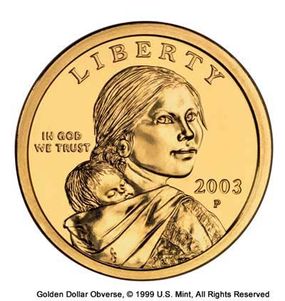
Dollar - A count in a Czechoslovakian town called Jachymov started minting silver coins in 1519. The coins were known as talergroschen, which was eventually shortened to talers. They spread throughout Europe, and today, many nations have currency named for some variation of the word taler, including the American "dollar."
|