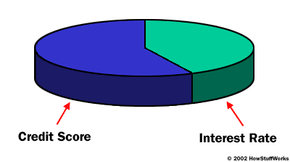
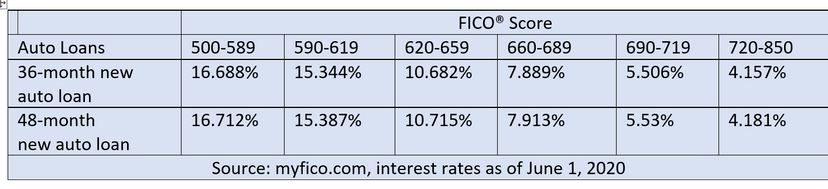
We depend on credit for so many important things in life -- whether it's for buying a car, house or computer or getting a student loan. A three-digit number -- your credit score -- can determine whether you can do these things and even how much it will cost you.
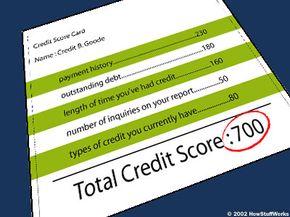
How can a simple number determine whether you can buy a house or car? If you've read How Credit Reports Work, you know that your credit report contains a history of how you've paid your bills, how much open credit you have, and anything else that would affect your creditworthiness. Your credit score boils down all of that information to a three-digit number. Using the credit score, lenders can predict with some accuracy how likely the borrower is to repay a loan and make payments on time. It's how electronics and department stores can offer instant credit.
Advertisement
This incredibly important number, which affects how much you pay for credit, insurance and other life necessities, used to be hidden from consumers. Until recently, only lenders and other businesses that used the score could access it. Fair Isaac and Company, which developed the score, felt that the score would only confuse consumers since there was nothing to tell them what it meant or what lenders were looking for.
In 2001, however, all of this changed due to pressure from the U.S. Congress and industry and consumer groups. Now you can view your credit score -- for a fee -- from credit reporting agencies and credit monitoring services.
But to help us understand that number and ultimately know how to improve it, we'll need to find out how it's calculated.
Advertisement