Does Dubai Have Taxes? Yes, Just Not Personal Income Tax

By: Jasper Merrenor  | 
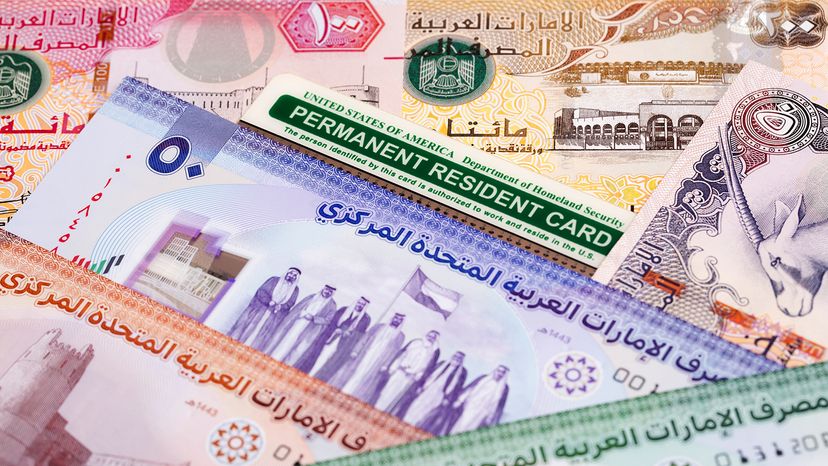
There are a lot of taxes that individuals don't have to pay, but that doesn't make Dubai entirely tax-free. Janusz Pienkowski / Shutterstock

Does Dubai have taxes? You might be surprised to hear that the answer is "yes" because Dubai is widely known as a tax‑free destination for expats and international businesses.

While the emirate in the United Arab Emirates does not impose personal income tax on salaries, it does have several other taxes and government fees that residents and companies may need to pay.

Advertisement

Dubai's tax system is relatively simple compared with many other countries. The UAE government relies on indirect taxes, corporate taxes, and various service fees rather than personal income taxes to generate government revenue.

No Personal Income Tax in Dubai

One of the most attractive features of living in Dubai is the absence of personal income tax. Residents and expats in the United Arab Emirates do not pay income tax on their annual income or salaries.

Because the UAE does not impose income tax on wages, many people describe Dubai as a "tax-free" location. Workers do not pay personal income tax on salaries to the UAE government.

Advertisement

There are also no inheritance taxes, gift taxes, or capital gains taxes for individuals in the UAE. This policy has helped attract international investors and foreign professionals seeking financial freedom.

However, the absence of a UAE income tax does not always eliminate tax obligations. Some individuals—especially U.S. citizens—must still report worldwide income to their home country.

Advertisement

Corporate Tax in the UAE

Although personal income tax does not exist, the UAE introduced a corporate income tax regime beginning with financial years starting on or after 1 June 2023.

The corporate income tax rate is 9 percent on taxable income above AED 375,000. Businesses with taxable income below that threshold generally do not pay corporate tax.

Advertisement

All persons subject to Corporate Tax must register with the Federal Tax Authority and submit tax returns. This system aligns the UAE with international standards for corporate tax transparency.

Some businesses located in special Free Zones may still benefit from tax incentives. A qualifying Free Zone person can receive a 0 percent corporate tax rate on qualifying income under specific rules.

Advertisement

Value Added Tax and Other Indirect Taxes

Even though Dubai does not have personal income tax, residents still pay indirect taxes on many purchases. The UAE introduced a federal Value Added Tax in January 2018.

The value added tax (VAT) rate is 5 percent and applies to most goods and services. Businesses with annual taxable supplies exceeding AED 375,000 must register for VAT with the Federal Tax Authority.

Advertisement

Tourists visiting Dubai may be able to claim VAT refunds on some purchases when leaving the country. The minimum purchase amount for a refund is AED 250 and the goods must be exported with the traveler within 90 days.

The UAE also introduced an excise tax in 2017 on certain products such as tobacco, energy drinks, and carbonated beverages. These indirect taxes aim to reduce harmful consumption and generate public revenue.

Advertisement

Property and Municipal Taxes

Dubai does not charge traditional property taxes like some countries. However, property owners pay certain fees when buying real estate.

For example property sale registration fees total 4 percent of the sale value to the Dubai Land Department. Tenants in many cases pay a municipal tax of about 5 percent of their annual rental value.

Advertisement

These charges function similarly to property taxes even though they are technically government fees rather than recurring tax payments.

Taxes for Expats and Foreign Residents

Expats living in Dubai may still face tax obligations in their home countries. This is especially true for U.S. citizens, who must file a U.S. tax return and report their worldwide income even if they live abroad.

Programs such as the Foreign Earned Income Exclusion and the Foreign Housing Exclusion can reduce U.S. tax liability for qualifying individuals. Some expats may also claim a foreign tax credit if they pay taxes to another country.

Advertisement

U.S. citizens must also comply with reporting obligations for foreign financial assets. For example individuals with an aggregate value of foreign financial accounts exceeding $10,000 at any time during the calendar year must file a Report of Foreign Bank and Financial Accounts (FBAR).

Why Dubai Uses This Tax System

Dubai's tax laws reflect a broader strategy to attract international investors, companies, and foreign talent. The UAE government historically relied heavily on oil revenue, especially from other emirates such as Abu Dhabi.

To diversify the economy, the UAE introduced corporate tax and indirect taxes while maintaining a competitive environment for businesses and residents.

Advertisement

Because of its low taxes, modern infrastructure and strong global connections, Dubai remains one of the most attractive global business hubs in the Middle East.

We created this article in conjunction with AI technology, then made sure it was fact-checked and edited by a HowStuffWorks editor.

Advertisement

Advertisement

Loading...