Anatomy of a Publisher

Before we get into the business of creating a book, let's look at the details of becoming a publisher. As a self-publisher, you are operating a small business. Depending on where you live, starting a small business means jumping through a few easy hoops. In most U.S. states, you need to:

  • Decide on a name. Ideally, you want a publishing name that nobody else is using, just to prevent confusion. You can check books and publications like the Literary Market Place and Books in Print to see if anybody is using your name.

    The name should include the word "publishing," the word "press," or the word "books," to make it clear to potential clients what you do. In most cases, you want something that has some wiggle room -- if your first book is on machine guns, don't call your business "Machine Gun Press," because you may want to write about something different in your next book.

  • Get a business license. This varies depending on where you live. Check with your local chamber of commerce to find out how.

  • Design a logo, or hire an illustrator to design one.

Tip: Publishing Marketing Associations
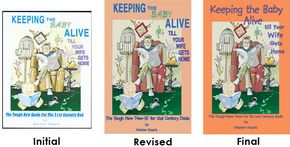
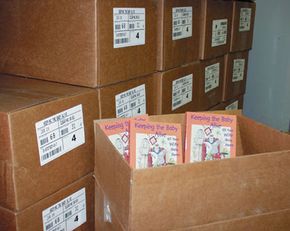
In his first stab at self-publishing, Walter Roark discovered a good ally in publishing associations:
    One of the most important things I did early on was I joined a publishing marketing association, which costs about $99 a year to belong to. They have many promotional programs that really help. They display your books at library book shows. They display your books at the Frankfurt show in Germany, which is the biggest book show in the world every October.

Additionally, you'll need basic business operation stuff, such as:

  • A bank account dedicated to your business. You don't want to mix your business accounts in with your personal budget, so separate them right from the get go.
  • Letterhead, business card, etc.
  • A Web site. You'll need to get hosting space and reserve an appropriate domain name. This article explains the basics.
  • A post office box, so you can receive mail.

As a business owner, you'll most likely be qualified for various tax deductions. For example, if you write in a home office, part of your housing payment is a work expense, as is your computer equipment, book storage space, etc. To get the full rundown of what you can and can't deduct, you'll need to talk to a professional tax preparer.

Be sure to take a look at the Lots More Information page, where you'll find even more information on starting a business.