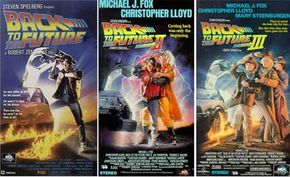
The latest trend in advertising is to make it, well, less advertorial. The tendency is to move away from in-your-face ads, where the product is the star, to mini-movies or quasi-documentary vignettes that feature "real-life scenarios" with the product(s) hovering in the background. Some would argue it's a sort of "art imitating art imitating life" scenario -- where ads are imitating the practice of product placement.
This may seem a bit confusing, but really, it's quite simple. The majority of us are getting tired of ads. Today's consumer is inundated with advertising everywhere: television, radio, billboards, magazines, buses, newspapers, the Internet... And these are just the usual suspects. More and more ad-space is popping up every day. From people walking down the street wearing signs, to flyers on our cars and in our mailboxes, to ads on the ATM screen as we wait for it to dispense our cash -- we see ads all day, every day.
Advertisement
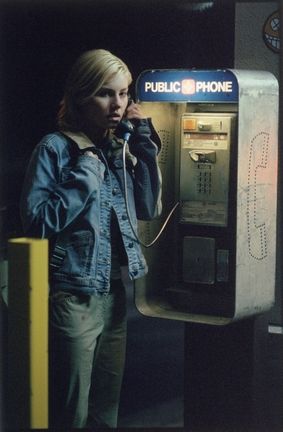
Even television networks that depend on advertising dollars to stay in business know that it can be useful to ditch the interruptions and present a show without ads from time to time. The ABC network did it for "Gideon's Crossing" in 2000 and for "Alias" in 2001. FOX did it for its hit series "24" in 2002.
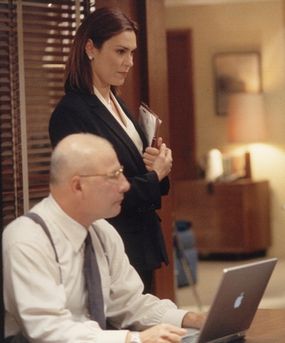
Wait a minute -- networks turning down cold, hard advertising cash? That doesn't sound quite right, does it? Of course they don't drop the advertising dollars all together. If you watched that "ad-free" version of "24" you know what we're talking about. Ford sponsored the show with two three-minute spots opening and closing the episode. And, Ford vehicles have been integrated into the show -- the main character, Jack Bauer, drives a Ford Expedition.
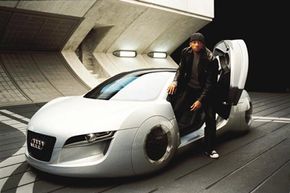
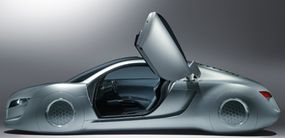
So, when is an ad not an ad? When it's a product placement. Once mainly found only on the big screen, product placement has been making quite a few appearances on TV -- not to mention in video gamesand even books. In this article, we'll explain what product placement is and examine how it is used in movies, television shows and other media.
Advertisement