Why Is Dubai So Rich? It's Not Oil Anymore

By: Jasper Merrenor  | 
dubai
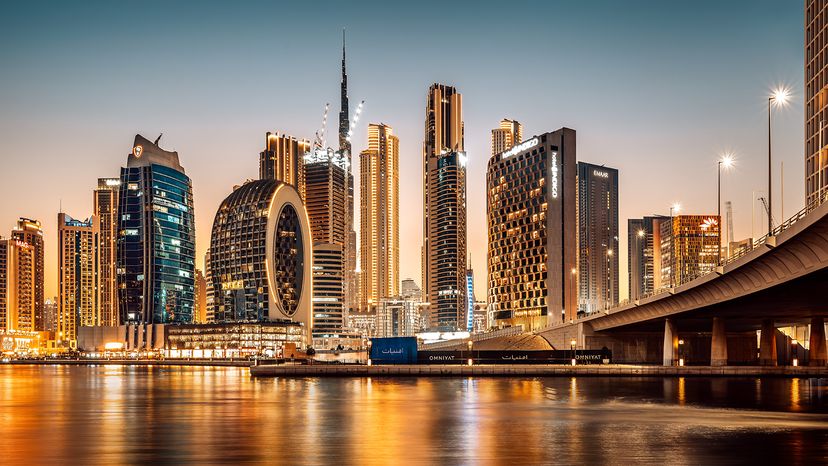
There's money, and then there's Dubai money. frank_peters / Shutterstock

When people see the futuristic skyscrapers, luxury hotels, and massive shopping malls, of course they wonder, why is Dubai so rich?

In just a few decades Dubai transformed from a modest trading port into a global metropolis known for finance, tourism, and real estate.

Advertisement

The wealth of Dubai did not come from a single source. Instead the city built a diversified economy based on global trade, tourism, finance, aviation, and property development after using early oil revenue to fund rapid development.

Oil Started the Transformation

Oil played an important early role in Dubai's rise. The discovery of oil in 1966 and the start of exports in 1969 brought significant revenue to the emirate.

Unlike Abu Dhabi, which holds most of the UAE oil reserves, Dubai has relatively limited oil production. Leaders recognized early that oil reserves would not last forever, so they reinvested early oil revenues into infrastructure, ports, and services that could support long-term economic growth.

Advertisement

In 2024, mining and quarrying contributed 1.4 percent of Dubai's GDP. The shift away from oil wealth toward non-oil sectors became the foundation of Dubai's economic success.

Strategic Location for Global Trade

Dubai sits on the Arabian Peninsula between Europe, Africa, and South Asia. This strategic location helped it become a global trade hub linking markets across continents.

Major logistics infrastructure supports this role. Jebel Ali Port—the largest man-made harbor in the world—is among the busiest ports globally. Dubai International Airport is also the world's busiest airport for international passengers.

Advertisement

Together these transport networks allow goods, travelers, and companies to move easily through the city. International trade and re-exports have become cornerstones of Dubai's economy.

Free Zones and Foreign Investment

One of the biggest reasons that makes Dubai rich is its business-friendly policies. The government created 27 specialized "free zones" where international companies can operate with major incentives.

These zones offer benefits such as 100 percent foreign ownership, a zero-percent corporate tax rate on qualifying income for qualifying free zone persons, and simplified business regulations. Examples include the Jebel Ali Free Zone, Dubai Internet City, and Dubai Media City.

Advertisement

Free trade zones contribute 38 percent of the city's GDP and have a workforce of more than 500,000. These policies attract international investors, global banks, and multinational companies that use Dubai as a regional headquarters.

Tourism, Real Estate, and Global Attractions

Tourism is another key sector behind Dubai's wealth. In 2023, the city welcomed 17.15 million international overnight visitors who came for luxury shopping, beaches, and famous landmarks.

Attractions such as the Burj Khalifa (the world's tallest building), the Burj Al Arab hotel, Palm Jumeirah artificial islands, and the Dubai Mall help draw travelers from around the world.

Advertisement

In 2019, total expenditure on tourism-related activities in the city was estimated at US$32.1 billion and tourism was responsible for contributing 11.5 per cent in GDP value.

Real estate development also plays a major role. Property investment attracts billions in foreign capital each year, and rental yields of roughly 5 to 8 percent often exceed global averages.

Advertisement

Financial Services and Innovation

Dubai has also developed into a major financial hub for the Middle East. The Dubai International Financial Centre (DIFC) hosts global banks, investment firms, and financial institutions that serve markets across the region.

At the same time the government continues investing in future industries. Dubai is embracing artificial intelligence, fintech, blockchain technology, and smart infrastructure as part of initiatives such as Dubai Digital Authority and the Dubai 2040 Urban Master Plan.

Advertisement

These strategies aim to double the city's economy over the coming decade while strengthening its reputation as a global business hub.

Dubai's rise from a pearl diving town to one of the wealthiest cities in the world shows how strategic planning, infrastructure investment and economic diversification can reshape a city's future.

We created this article in conjunction with AI technology, then made sure it was fact-checked and edited by a HowStuffWorks editor.

Advertisement

Advertisement

Loading...