11 Biggest Pharmaceutical Companies in 2026

By: Jasper Merrenor  | 
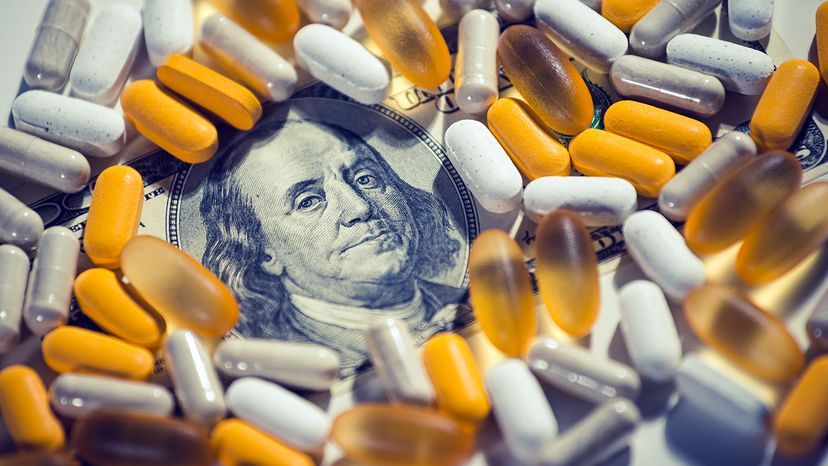
Big Pharma drives trillions of dollars each year. Leonid Sorokin / Shutterstock

The biggest pharmaceutical companies play a central role in the global economy by developing drugs, vaccines, and medical solutions that shape modern healthcare.

These pharma companies dominate the pharmaceutical industry through massive market capitalization, extensive research pipelines, and strong commercial execution across multiple markets.

Advertisement

In recent years, the pharma industry has seen rapid growth driven by higher demand for treatments in areas like cancer, autoimmune diseases, and infectious diseases.

At the same time, Big Pharma companies face challenges such as patent expirations, rising competition from generics, and increasing scrutiny over high prices.

Advertisement

1. Eli Lilly

Eli Lilly stands as one of the largest pharmaceutical companies and became the first company in the pharma industry to surpass a $1 trillion market cap. Its growth has been fueled by blockbuster drugs targeting diabetes and obesity.

The company’s strong performance in recent years reflects its focus on innovation, clinical research, and a powerful product portfolio. Analysts expect continued growth over the next decade as demand for these treatments remains high.

Advertisement

2. Novo Nordisk

Novo Nordisk ranks among the top pharma companies and, in 2024, had a market capitalization exceeding $450 billion. It is a leading company in diabetes and weight-loss drugs.

Its success highlights how specialized focus in a few therapeutic areas can drive global growth. The company has captured a major share of the GLP-1 market, which continues to expand rapidly.

Advertisement

3. Pfizer

Pfizer is one of the most recognizable drug companies in the world and reported $58.5 billion in revenue in 2023.

The company produces a wide range of pharmaceuticals and vaccines and has played a major role in global health initiatives. Despite a drop from the previous year, Pfizer continues to invest heavily in research and development.

Advertisement

4. Johnson & Johnson

Johnson & Johnson operates across pharmaceuticals and medical devices business segments.

The company’s diversified business model helps it remain resilient in changing market conditions while maintaining strong brand strength and consumer trust.

Advertisement

5. Merck & Co.

Merck is a major player in oncology and vaccines, with revenue reaching over $53 billion in 2023. Its cancer treatments are among the most widely used globally.

The company continues to focus on research and development, especially in immunology and infectious diseases, to sustain long-term growth.

Advertisement

6. AbbVie

AbbVie has been one of the largest pharma companies, though it has faced challenges after losing patent protection for its top drug, Humira.

This highlights a broader issue in the pharmaceutical industry, where patent expirations can significantly impact revenue and force companies to pursue new drugs or acquisitions.

Advertisement

7. Roche

Roche is a global leader in pharmaceuticals and biotech, with strong performance in oncology and diagnostics.

Its pharmaceutical segment generates the majority of its income, supported by ongoing investments in research and personalized medicine.

Advertisement

8. AstraZeneca

AstraZeneca has emerged as a leader in cancer research, with double-digit growth in its oncology portfolio.

The company continues to expand its pipeline and invest in innovative treatments, positioning itself for future demand in targeted therapies.

Advertisement

9. Novartis

Novartis is another top pharmaceutical company known for its focus on innovative medicines.

Its steady sales growth reflects strong commercial execution and a commitment to developing new therapies across multiple disease areas.

Advertisement

10. Gilead Sciences

Gilead Sciences is known for its work in infectious diseases, including treatments for HIV and hepatitis.

The company continues to invest in research and expand its product portfolio, particularly in antiviral therapies and oncology.

11. Bristol Myers Squibb

Bristol Myers Squibb focuses heavily on cancer and immune-related diseases. Its portfolio includes several high-performing drugs in oncology and autoimmune diseases.

The company’s growth strategy centers on acquisitions and expanding its clinical research pipeline.

Trends Shaping Big Pharma

The largest pharmaceutical companies are evolving rapidly in response to market pressures. Key trends include:

  • Increased investment in pharmaceutical research and development
  • Growth in personalized medicine and targeted therapies
  • Rising demand for vaccines and treatments worldwide
  • Greater reliance on mergers and acquisitions to sustain growth

At the same time, the industry faces challenges. Patent expirations could put nearly half of revenues at risk for some companies, while competition from generics continues to reshape the market.

Despite these pressures, Big Pharma remains a cornerstone of global healthcare, driving innovation, and delivering life-saving medicines to millions of people.

We created this article in conjunction with AI technology, then made sure it was fact-checked and edited by a HowStuffWorks editor.

Advertisement

Loading...