
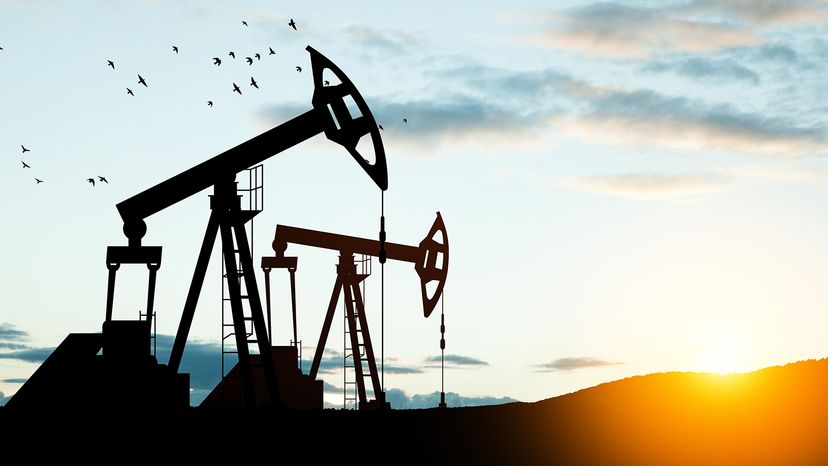
The biggest oil producer in the world is the United States. That has been true since 2018, when U.S. crude oil production moved past every other country and has generally increased on the back of shale oil, hydraulic fracturing and horizontal drilling
The answer gets even bigger when you look beyond crude oil.
Advertisement
The U.S. Energy Information Administration says the world produced 101.81 million barrels per day of petroleum liquids in 2023, and the United States accounted for 21.91 million barrels per day (22 percent of the global total). That broader basket includes crude oil, lease condensate, natural gas liquids, biofuels, and other petroleum liquids.
That doesn't mean one country controls oil prices by itself. The global oil market works more like a giant connected pool than a set of separate tanks. Supply, demand, exports, imports, refining bottlenecks, and geopolitical risk all matter, which is why gas prices can rise for consumers even when U.S. domestic production is hitting a record high.
Advertisement