
Money & the Law
Money & the Law intersect in many interesting and often controversial ways. Check out the Money & the Law channel to see what happens when these two powerful forces cooperate or collide.

Want to Support Veterans? 4 Tips for Finding Good Charities
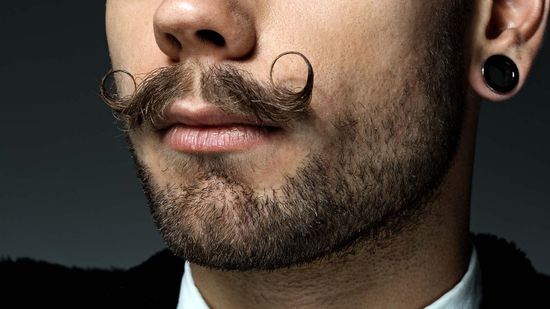
No Shave November Is More Than Mustache Month
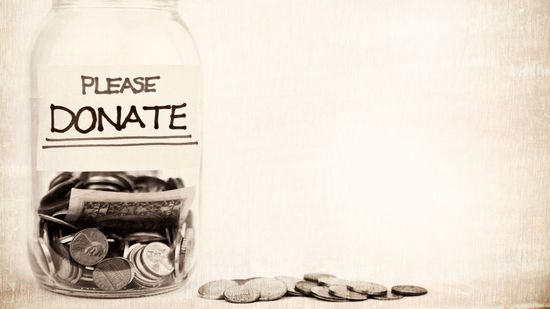
5 Questions to Ask Before Donating to a Charity
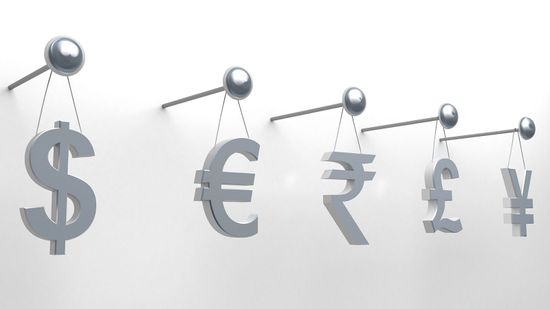
The Fascinating Stories Behind 5 of the World's Big Currency Symbols
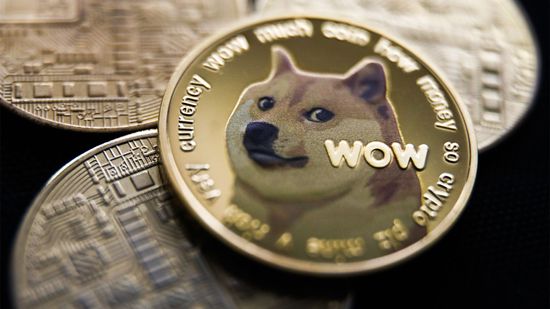
How to Buy and Mine Dogecoin
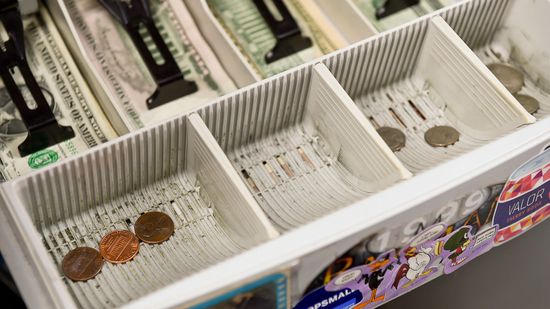
Why Did the U.S. Experience a Coin Shortage?
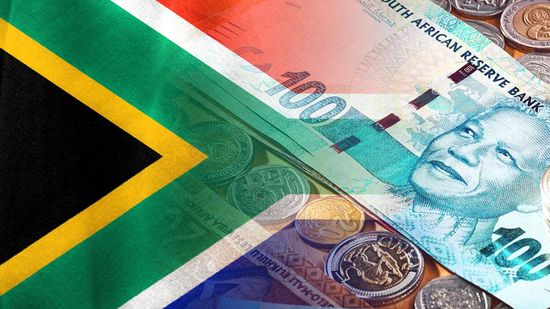
The Richest Countries in Africa, Based on GDP
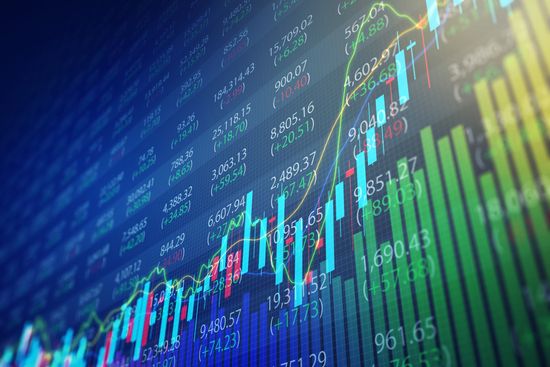
Pinpointing the Richest Country in the World Is Tricky Work
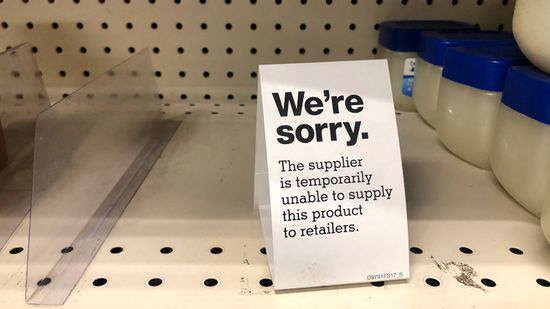
Store Shelves Still Empty? Blame the 'Bullwhip Effect'
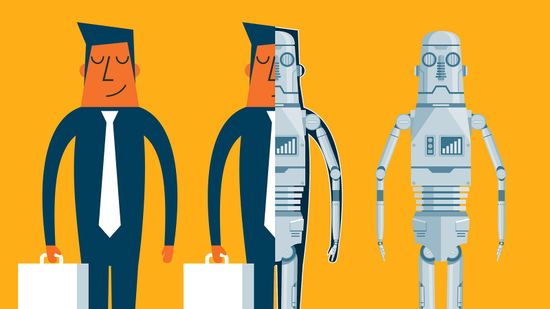
If a Robot Takes a Job From a Human, Should It Pay Taxes, Too?
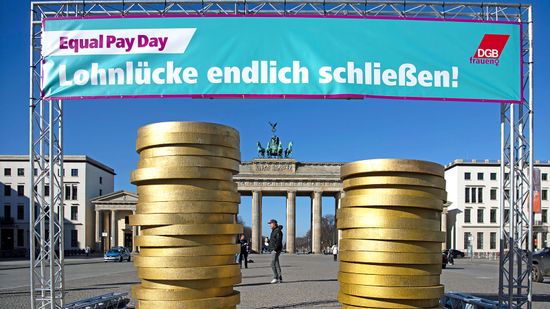
How the Gender Pay Gap Works

Pink Tax: 5 Things Women Are Forced to Pay More for Than Men
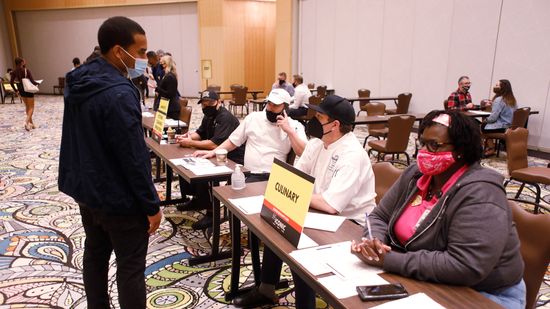
Why the U.S. Monthly Jobs Report Matters
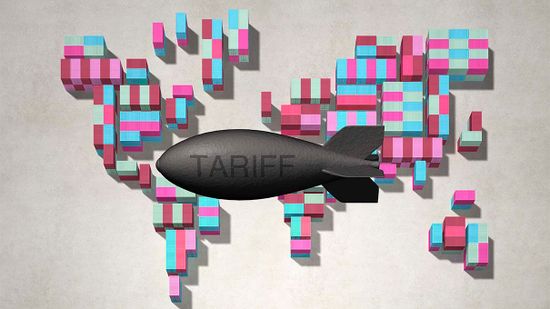
Who Wins and Loses in a Trade War?

How NATO Works

Neighbor-spoofing Robocalls Are the New Nuisance
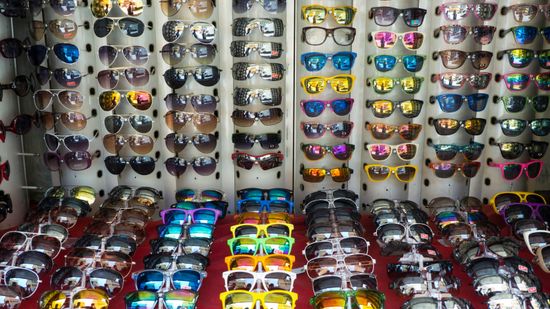
The 10 Most Counterfeited Products in The World
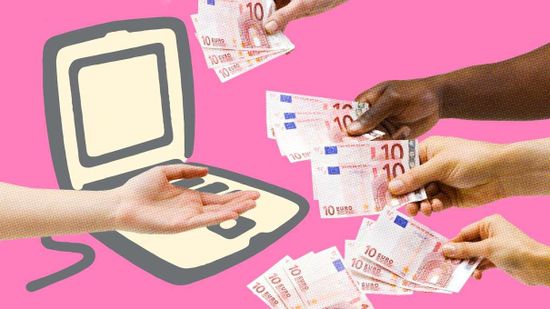
Crowdfunding or Crimefunding? Fraudsters Kickstart Money Laundering Campaigns
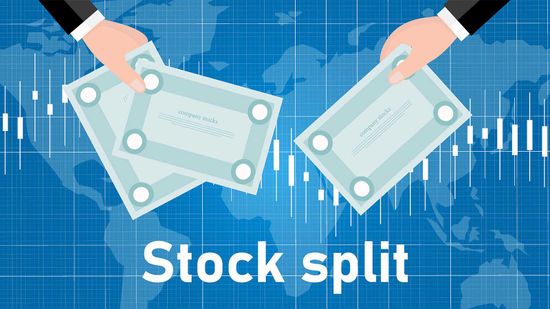
Why Big Companies Like Tesla and Amazon Are Splitting Stocks
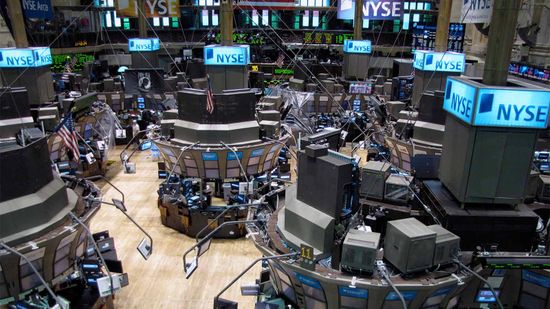
What Time Does the Stock Market Open?
What Causes Stock Market Trading to Halt?

How to Volunteer to Help Disabled Veterans

10 Best Volunteer Activities in Retirement

Does the Peace Corps want retired volunteers?
Learn More / Page 2
A trademark is concerned with a company's need to identify its goods or services among its customers and potential customers. Trademarks, such as Nike or Coca Cola, are known throughout the world.
By Thomas L. Peterson
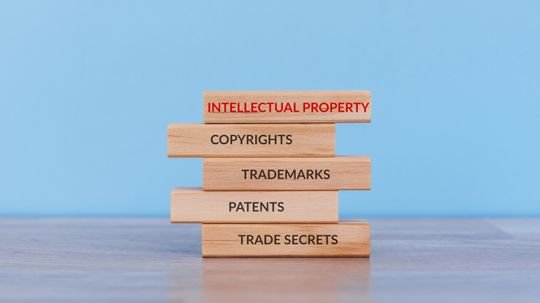
The phrase intellectual property (IP) refers to the bundle of legal rights that arise from the creative genius of the human mind. Intellectual property has become an issue as the digital music market expands. Learn how it works.
By Thomas L. Peterson
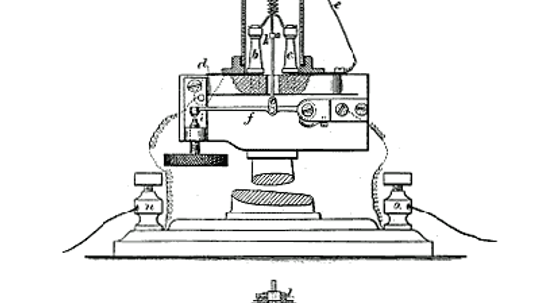
The inventor's best friend (or worst enemy) is the patent system: If you're the first to come up with an idea, it's yours. But, if somebody beat you to it, it's back to the drawing board. Learn about patents.
By Tom Harris
Advertisement
Companies, such as Coke, are famous for protecting their "trade secret." What exactly is a trade secret and is it any different from patents? Find out the answer to this question in this article.
On the first or second page of many books, near the copyright notice, there is often a series of numbers that go "10 9 8 7 6 5 4 3 2 1". Why are these numbers there?
Why are most national contests in the United States, void in Rhode Island? And what does "void where prohibited" mean? Also, why are these contests open only to U.S. (and sometimes Canadian) residents?
Notations for copyrights and patents can be found on every single product you buy at the store. In this article, you can find out what copyrights and patents are, and how they differ from each other.